
7 Examples of Organic Traffic Sources Marketers Must Know

More than 90% of American online experiences begin with a search engine, yet many digital marketers still struggle to capture organic traffic that truly drives results. With Google and Bing processing billions of queries every day, understanding how these platforms work is vital for anyone aiming to climb the ranks. This overview uncovers strategies and proven tools that help American marketers tap into powerful channels while adapting to rapidly changing search algorithms.
Quick Summary
1. Search Engines: Driving Traffic with Google and Bing
Search engines are the primary gateway for online discovery, with Google and Bing serving as critical pathways for generating organic website traffic. These powerful platforms process billions of search queries daily, connecting users with relevant content across the internet.
Understanding how search engines work is fundamental to digital marketing success. Search engines like Google and Bing use complex algorithms to crawl, index, and rank web pages based on relevance, authority, and user experience. Google dominates the global search market with approximately 90% market share, making it the most critical platform for marketers seeking organic traffic.
To leverage search engines effectively, marketers must optimize their content for these platforms. This involves creating high quality, relevant content that matches user search intent, implementing technical SEO best practices, and understanding how search algorithms evaluate websites. Keyword research, site structure, page loading speed, and mobile responsiveness all play crucial roles in search engine ranking.
Marketers can improve organic search performance by focusing on user experience, producing valuable content, and staying updated with search engine algorithm changes. Creating content that directly answers user questions, provides unique insights, and demonstrates expertise can significantly boost search visibility.
Pro tip: Regularly analyze your website's search performance using tools like Google Search Console to identify opportunities for improvement and track your organic traffic growth.
2. Social Media Platforms: Building Organic Reach
Social media platforms are powerful channels for generating organic traffic, offering marketers unprecedented opportunities to connect with audiences worldwide. These digital ecosystems enable brands to reach potential customers through strategic content creation and engagement.
Global marketing surveys reveal Facebook, Instagram, and LinkedIn as the most effective platforms for driving organic reach. By understanding each platform's unique algorithm and user behavior, marketers can develop targeted strategies that naturally attract and retain audience attention.
Successful organic social media traffic requires consistent, high quality content that resonates with your target demographic. This means creating posts that provide genuine value, spark conversation, and encourage sharing. User generated content and interactive elements like polls, stories, and live videos can significantly boost engagement and visibility.
Each social media platform offers distinct advantages for organic traffic generation. Instagram excels with visual storytelling, LinkedIn works best for professional networking, Twitter thrives on real time commentary, and YouTube dominates long form video content. Marketers should adapt their content strategy to match each platform's strengths and audience expectations.
To maximize organic reach, focus on creating authentic, compelling content that speaks directly to your audience's interests and pain points. Utilize platform specific features, engage with followers consistently, and analyze performance metrics to refine your approach.
Pro tip: Develop a content calendar that balances promotional material with genuinely valuable, shareable posts to maintain audience interest and algorithmic favorability.
3. Content Marketing: Attracting Visitors with Quality Content
Content marketing represents a strategic approach to generating organic traffic by creating valuable, relevant content that attracts and engages target audiences. By crafting informative materials that directly address user needs and interests, marketers can transform their websites into magnetic destinations for potential customers.
Recent research from the MIT Platform Strategy Summit highlights content marketing as a pivotal digital strategy, demonstrating how authentic high quality content combined with personalized technologies can dramatically enhance user engagement and organic reach.
Successful content marketing requires a deep understanding of your target audience's preferences, challenges, and information needs. This means developing content that goes beyond surface level information and provides genuine insights, practical solutions, and unique perspectives that readers cannot easily find elsewhere.
Effective content strategies involve diversifying your content formats to include blog posts, videos, infographics, podcasts, and interactive resources. Each format offers unique advantages in capturing audience attention and providing value. The key is maintaining consistent quality across all content types and ensuring each piece addresses specific user questions or pain points.
To maximize organic traffic through content marketing, focus on creating comprehensive, authoritative content that demonstrates expertise. This approach not only attracts visitors but also builds trust and positions your brand as a thought leader in your industry.
Pro tip: Develop a content calendar that balances evergreen informational content with timely, trending topics to maintain consistent audience engagement and search engine relevance.
4. Online Communities and Forums: Engaging Targeted Audiences
Online communities and forums represent powerful organic traffic sources that connect marketers directly with highly engaged, interest specific audiences. These digital platforms enable targeted interactions that can transform casual visitors into loyal followers and potential customers.
The World Economic Forum highlights how digital communities build social cohesion and trust by creating networks where peer-to-peer influence drives authentic content discovery and engagement. Unlike traditional marketing channels, these platforms allow for genuine conversations and meaningful interactions.
Successful engagement in online communities requires a strategic approach that prioritizes value creation over direct promotion. This means actively participating in discussions, sharing expert insights, answering questions, and contributing meaningful content that genuinely helps community members. Each platform whether Reddit, Quora, industry specific forums, or LinkedIn groups has unique communication norms and expectations.
To maximize organic traffic potential, identify forums and communities directly aligned with your target audience's interests. Focus on establishing credibility by consistently providing high quality, relevant information. Avoid overtly promotional language and instead demonstrate expertise through thoughtful, detailed responses that naturally showcase your knowledge.
Strategic community participation involves understanding each platform's specific culture, rules, and engagement patterns. Some communities welcome direct expertise sharing, while others require more subtle, relationship building approaches. Developing a nuanced understanding of these dynamics is crucial for sustainable organic traffic generation.
Pro tip: Create a dedicated community engagement strategy that allocates specific time for meaningful interactions, tracks your contributions, and measures the organic traffic generated from these platforms.
5. Guest Blogging: Tapping into New Audiences
Guest blogging represents a strategic approach to expanding your online reach by publishing content on established websites within your industry. This powerful organic traffic technique allows marketers to connect with new audiences and build credibility beyond their own digital platforms.
Academic research confirms guest blogging as an effective strategy for increasing referral traffic by leveraging host websites' existing audiences and creating valuable backlink opportunities. The key is to provide exceptional content that genuinely serves the host platform's readership.
Successful guest blogging requires a targeted approach that goes beyond simple content placement. Marketers must carefully research potential host websites, understand their audience demographics, and craft articles that provide unique insights, solve specific problems, or offer fresh perspectives relevant to that platform's readers.
To maximize the organic traffic potential of guest blogging, focus on creating high quality, original content that demonstrates your expertise. Each guest post should include a strategic author bio and carefully placed link back to your website, designed to drive interested readers to explore your brand further. The goal is to provide so much value that readers naturally want to learn more about you.
Quality trumps quantity in guest blogging. One well placed article on a highly respected industry website can generate more meaningful traffic than multiple mediocre posts on low authority platforms. Select your guest blogging opportunities strategically, prioritizing websites with engaged audiences and strong domain authority.
Pro tip: Develop a targeted guest blogging pitch that highlights your unique expertise and demonstrates how your proposed content will provide genuine value to the host website's audience.
6. Referral Links from Authoritative Websites
Referral links from authoritative websites represent a powerful organic traffic strategy that leverages trust and credibility to drive targeted visitors to your digital platform. These strategic backlinks act as digital endorsements that signal your content's value to both users and search engines.
Scholarly research confirms that citations from trusted institutional websites generate significant referral traffic by enhancing domain authority and supporting organic search rankings. The quality of these referral sources matters far more than their quantity.
Building referral links requires a multifaceted approach that prioritizes creating exceptional content that naturally attracts attention from respected websites in your industry. This means developing research driven, original content that provides unique insights, comprehensive analysis, or solves complex problems that other experts find worth referencing.
To maximize referral link potential, focus on creating resources that serve as definitive guides, original research reports, comprehensive studies, or innovative solutions to industry challenges. Authoritative websites are more likely to link to content that demonstrates deep expertise, offers actionable insights, and contributes meaningful knowledge to the broader professional conversation.
Strategic networking plays a crucial role in generating referral links. Engage with industry thought leaders, participate in professional discussions, contribute meaningful comments on respected platforms, and build genuine relationships that can organically lead to link sharing and collaborative opportunities.
Pro tip: Develop a proactive outreach strategy that involves personally connecting with industry experts and sharing your most compelling content, making it easy for them to discover and potentially reference your work.
7. Email Newsletters: Bringing Back Returning Visitors
Email newsletters represent a powerful yet often underestimated organic traffic strategy that directly reconnects brands with their most engaged audience members. By delivering personalized, timely content directly to subscribers' inboxes, marketers can consistently drive returning visitors to their digital platforms.
Pew Research confirms email newsletters as a critical tool for maintaining user engagement across diverse demographic segments. These targeted communication channels transform passive website visitors into active, recurring readers who voluntarily return to explore new content.
Creating an effective email newsletter requires a strategic approach that prioritizes value, personalization, and consistent quality. Successful newsletters go beyond simple promotional messages, instead offering subscribers unique insights, exclusive content, actionable advice, and compelling storytelling that makes each email feel like a welcomed communication rather than an intrusive advertisement.
To maximize organic traffic potential, segment your email list based on subscriber interests, behavior, and engagement levels. This allows for hyper targeted content delivery that increases the likelihood of recipients clicking through to your website. Implement dynamic content strategies that adapt newsletter recommendations based on individual user preferences and previous interaction patterns.
Technical optimization plays a crucial role in newsletter effectiveness. This includes crafting attention grabbing subject lines, designing mobile responsive templates, ensuring consistent sending schedules, and providing clear pathways back to your website through strategic link placements and compelling preview content.
Pro tip: Implement an email analytics system that tracks open rates, click through rates, and subscriber behavior to continuously refine your newsletter strategy and improve organic traffic generation.
Below is a summary table encapsulating the key methods and strategies outlined in the article for driving organic website traffic through effective digital marketing tactics.
Utilizing these outlined strategies can significantly enhance a website's capacity to generate organic traffic, ensuring sustained engagement and growth.
Boost Your Organic Traffic with Proven SEO Strategies
The challenge of generating authentic and sustainable organic traffic is clear from the article "7 Examples of Organic Traffic Sources Marketers Must Know". You want to improve key SEO signals such as click through rate, bounce rate, and dwell time while navigating complex search engine algorithms and diverse platforms. From mastering content marketing and social media to leveraging referral links and email newsletters, the goal is to attract real, engaged visitors who help your website climb Google rankings.
ClickSEO.io offers a solution designed exactly for these challenges. Our proprietary CTR bot delivers genuine, geo targeted visitors who mimic real user behavior, boosting your organic traffic in a safe and measurable way. With over 87 million IPs worldwide, you control daily clicks, session durations, and locations to craft highly customizable campaigns that positively influence Google’s ranking factors.
Ready to accelerate your organic growth and move your site closer to the first page?
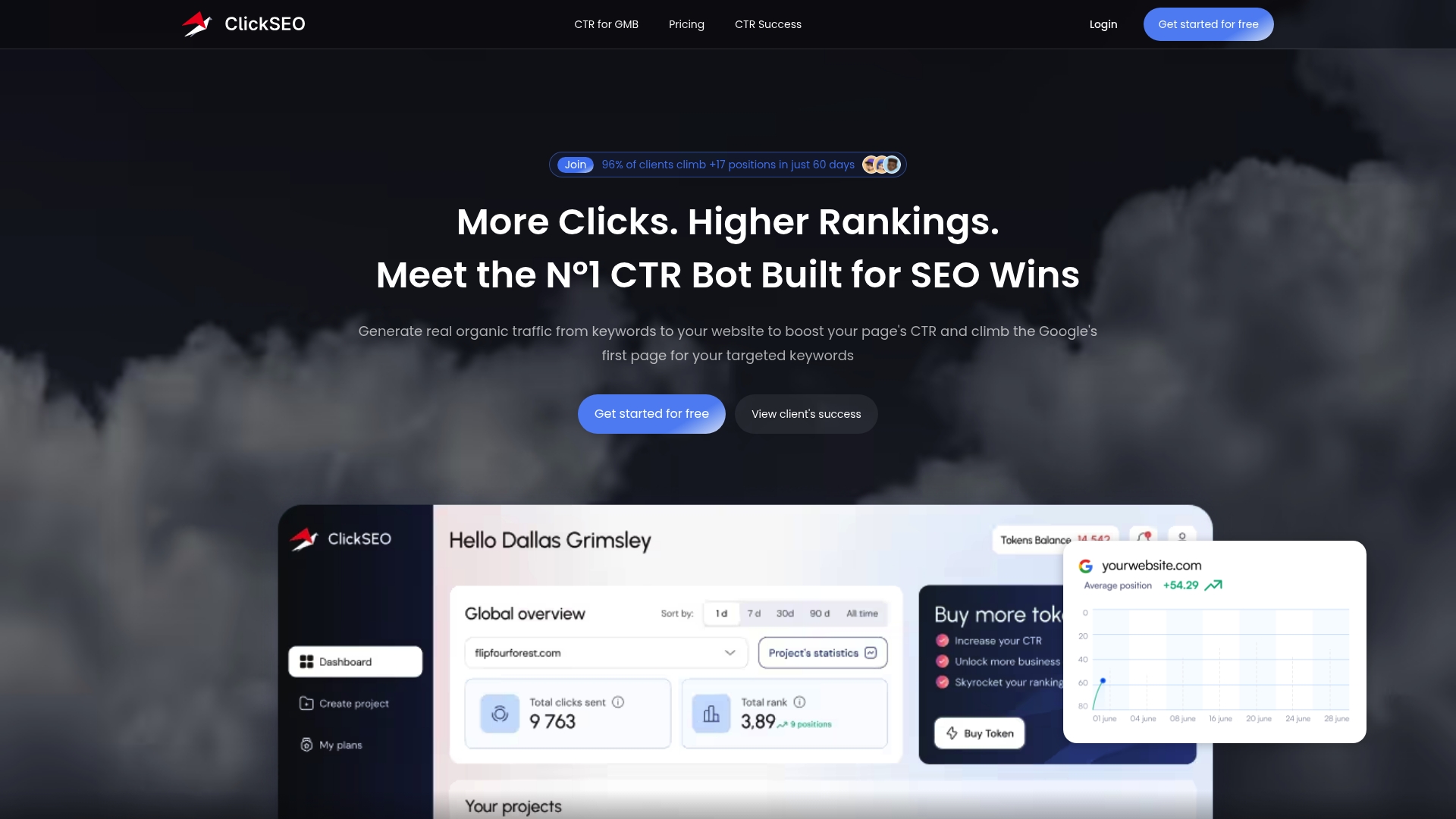
Experience how targeted, authentic traffic can transform your SEO results today. Visit ClickSEO.io now to start your journey towards stronger search engine visibility. Don’t wait to leverage the power of smart organic traffic generation and watch your website’s performance soar.
Frequently Asked Questions
What are the main organic traffic sources marketers should know?
Understanding the main organic traffic sources is essential for marketers. Key sources include search engines like Google and Bing, social media platforms, content marketing, online communities and forums, guest blogging, referral links, and email newsletters. Analyze each source to improve your overall traffic strategy.
How can I optimize my content for search engines?
To optimize your content for search engines, focus on creating relevant, high-quality material that aligns with user search intent. Implement technical SEO practices such as improving your site's loading speed and mobile responsiveness. Regularly update your content based on keyword research to enhance search visibility.
What types of content should I create for social media to generate organic traffic?
Create content that provides value and encourages engagement on social media, such as informative posts, visual stories, and interactive elements like polls. Tailor your content to fit the unique characteristics of each platform, ensuring it resonates with your audience. Aim for consistency in posting to build a loyal following.
How do I effectively participate in online communities to drive organic traffic?
Engage authentically in online communities by contributing valuable insights and answering questions rather than promoting your services. Identify forums that align with your target audience and consistently share quality content. Set aside time each week to interact and build relationships within those communities.
What are the best practices for a successful guest blogging strategy?
To execute a successful guest blogging strategy, research potential host websites and tailor your content to their audience. Focus on high-quality, original articles that provide unique insights relevant to their readers. Include a well-crafted author bio with a link back to your website to drive traffic effectively.
How can email newsletters increase my returning website visitors?
Email newsletters can boost returning visitors by providing personalized and valuable content directly to subscribers. Craft your newsletters to include unique insights and effective storytelling, encouraging readers to click through to your website. Track engagement metrics to refine your content strategy for even better results.
Recommended