
Why Use Traffic Bots: SEO Signals or Risky Shortcut

Most American SEO professionals know that artificial web activity is more common than many realize. In fact, recent studies estimate that nearly half of all online traffic is powered by non-human visitors. For digital marketers managing American businesses, understanding what traffic bots truly are means the difference between smart growth and risky shortcuts. This guide uncovers how these tools function, how they impact your metrics, and what every American marketer should weigh before considering automated traffic solutions.
Key Takeaways
What Traffic Bots Really Are
Traffic bots represent sophisticated automated programs designed to simulate human internet interactions with precision and complexity. These digital agents can perform intricate web navigation tasks, mimicking genuine user behaviors across websites and search platforms. Automated traffic generation programs essentially create artificial web traffic by executing programmed sequences that resemble authentic human browsing patterns.
At their core, traffic bots function through advanced algorithms that generate seemingly organic website interactions. They can click links, scroll through pages, spend variable amounts of time on different sections, and even simulate mouse movements that appear remarkably human-like. The Dead Internet Theory suggests these automated interactions might constitute a significant portion of online activity, raising critical questions about the authenticity of digital engagement.
Understanding traffic bots requires recognizing their multifaceted nature. They aren't simply random click generators but sophisticated systems capable of sophisticated behavior simulation. Depending on their programming, these bots can target specific geographic regions, emulate different browser types, and create nuanced interaction patterns that make detection challenging. Some advanced traffic bots even incorporate machine learning techniques to continuously refine their mimicry of human browsing behaviors.
Pro Tip - Intelligent Bot Management: Always monitor your website analytics carefully and set up robust bot detection mechanisms to distinguish between genuine human traffic and automated interactions. Implement sophisticated filtering techniques that can identify and filter out potentially artificial traffic patterns.
Here's a summary of key differences between traffic bots and genuine human visitors:
How Traffic Bots Work In SEO
Traffic bots leverage sophisticated algorithmic techniques to manipulate search engine ranking signals by generating artificial website interactions. Automated SEO manipulation strategies essentially involve creating programmed scripts that mimic genuine user engagement, tricking search algorithms into perceiving higher website relevance and popularity.
These bots operate through complex mechanisms designed to simulate authentic human browsing behaviors. Automated traffic generation scripts can execute precise actions like strategic page visits, targeted link clicks, and carefully timed interactions that appear remarkably organic. By generating metrics such as click-through rates, session durations, and navigation patterns, traffic bots aim to influence key performance indicators that search engines use to determine website rankings.
The technical architecture of traffic bots involves multiple sophisticated components. Advanced bots incorporate techniques like geolocation spoofing, user agent rotation, and IP address diversification to create more convincing interaction profiles. Some next-generation traffic bots even utilize machine learning algorithms to continuously adapt and refine their interaction patterns, making detection increasingly challenging for search engine monitoring systems.
Pro Tip - Strategic Bot Detection: Implement advanced website analytics tools that can distinguish between genuine human traffic and automated bot interactions by analyzing nuanced behavioral patterns and interaction signatures.
Benefits Marketers Seek From Traffic Bots
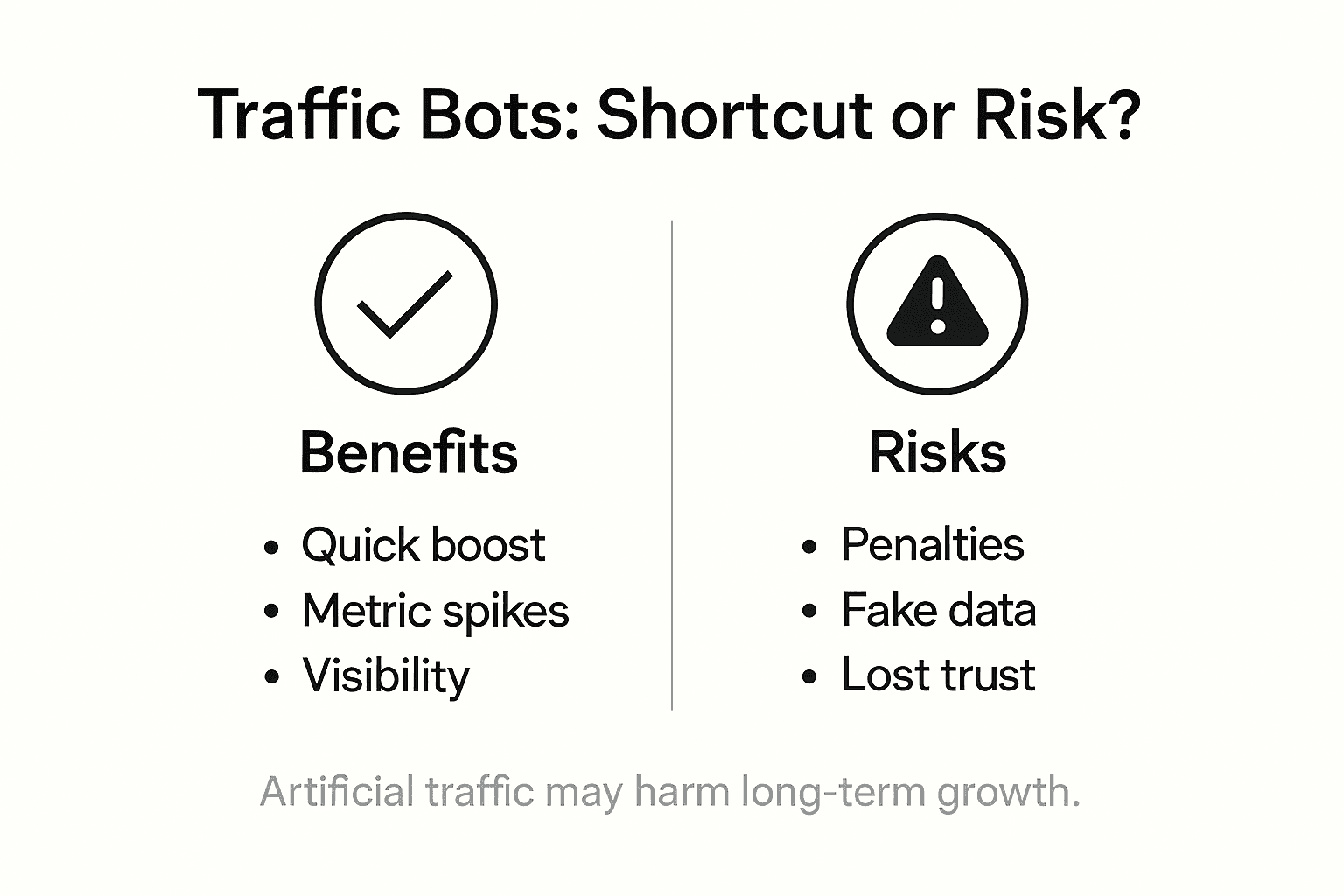
Marketers explore traffic bots as a strategic tool to artificially boost website performance metrics and create an illusion of digital popularity. Engagement metric manipulation techniques have become increasingly sophisticated, allowing digital professionals to generate seemingly authentic website interactions that can potentially influence search engine algorithms and advertising attractiveness.
The primary motivations behind traffic bot usage revolve around several key performance objectives. Digital marketers aim to rapidly improve website visibility by generating increased page views, reducing bounce rates, and creating the appearance of heightened user engagement. These artificial traffic streams can help websites appear more attractive to potential advertisers, search engines, and potential investors by presenting inflated interaction statistics that suggest robust online interest.
Traffic bots offer marketers a nuanced approach to manipulating digital performance indicators. Advanced bot strategies can target specific geographic regions, simulate complex user behaviors, and generate intricate interaction patterns that mimic genuine human browsing. By carefully crafting these automated traffic streams, marketers can potentially accelerate website ranking improvements, create perceived social proof, and generate a competitive advantage in increasingly crowded digital landscapes.
Pro Tip - Strategic Traffic Analysis: Develop comprehensive analytics frameworks that can differentiate between authentic and bot-generated traffic to maintain long-term website credibility and search engine trust.
Risks And Ethical Implications
Traffic bots introduce significant ethical challenges that extend far beyond simple technical manipulation. Potential platform policy violations represent a critical concern for digital marketers, as these automated traffic generation techniques can fundamentally undermine the integrity of online engagement metrics and breach multiple platform guidelines.

The risks associated with traffic bot usage are multifaceted and potentially devastating for digital businesses. Search engines like Google have sophisticated algorithms designed to detect artificial traffic patterns, which can result in severe penalties including website delisting, ranking drops, and complete removal from search results. Advertisers and potential investors may permanently lose trust in a website discovered using artificial traffic generation techniques, creating long-term reputation damage that far outweighs any short-term performance gains.
Ethical considerations surrounding traffic bots extend into broader digital ecosystem integrity. By generating fake engagement, marketers essentially create a false narrative about their website's popularity and user interaction. This deception impacts not just individual platforms but undermines the entire digital advertising ecosystem's credibility. Sophisticated monitoring systems can now trace complex bot behaviors, making detection increasingly probable and the consequences increasingly severe for businesses attempting to manipulate their online metrics.
Pro Tip - Ethical Traffic Generation: Focus on creating genuine, high-quality content that attracts authentic user engagement instead of relying on artificial traffic manipulation techniques.
Legal And Platform Policy Constraints
Platform policies represent a critical legal minefield for digital marketers considering traffic bot implementations. Website traffic policy violations can trigger devastating consequences that extend far beyond simple performance penalties, potentially exposing businesses to complex legal and regulatory challenges.
Search engines and digital platforms maintain rigorous guidelines designed to protect the integrity of online ecosystems. Black hat SEO practices are systematically monitored and penalized, with potential consequences ranging from temporary account suspension to permanent website delisting. Major platforms like Google, Facebook, and Bing have sophisticated algorithmic detection systems that can quickly identify artificial traffic patterns, rendering traffic bot strategies not just unethical but fundamentally unsustainable.
The legal landscape surrounding artificial traffic generation is increasingly complex and punitive. Digital platforms are developing more advanced forensic tracking technologies that can trace bot-generated traffic with remarkable precision. Businesses engaging in these practices risk not just algorithmic penalties but potential contractual violations that could trigger financial liability, reputation damage, and potential litigation from advertising networks and platform providers who rely on genuine user engagement metrics.
Pro Tip - Compliance Protection: Develop a comprehensive understanding of each platform's terms of service and focus on organic growth strategies that align with established digital marketing best practices.
Legitimate Alternatives And Best Practices
Marketers seeking genuine website performance improvements must prioritize organic traffic generation strategies that align with search engine guidelines and create authentic user engagement. Automated traffic bot software represents a risky alternative, making comprehensive organic marketing approaches far more sustainable and valuable for long-term digital success.
Effective organic traffic strategies encompass multiple sophisticated approaches that deliver sustainable results. These methods include creating high-quality, targeted content, implementing robust search engine optimization techniques, developing engaging social media campaigns, leveraging email marketing, and utilizing strategic content distribution networks. Each of these techniques focuses on attracting genuine users through valuable, relevant information that naturally improves website visibility and user interaction.
Advanced digital marketing professionals understand that sustainable growth requires a multifaceted approach to audience development. This involves comprehensive techniques such as producing authoritative content, optimizing website performance, developing strategic keyword targeting, creating shareable multimedia resources, and building genuine community engagement. By investing in these legitimate strategies, businesses can develop authentic audience relationships that generate consistent, high-quality traffic without risking platform penalties or reputation damage.
Pro Tip - Strategic Traffic Development: Invest consistently in creating exceptional content and user experiences that organically attract and retain audience interest, focusing on delivering genuine value rather than manipulating metrics.
This table highlights sustainable alternatives to using traffic bots for website growth:
Elevate Your SEO Safely With Targeted Organic Traffic
The article highlights the risks of using traditional traffic bots that rely on artificial or random behaviors which can harm your website’s reputation and rankings. If you are facing challenges like avoiding penalties from search engines or wanting to boost your SEO signals such as click-through rates, bounce rate, and dwell time without risking black hat violations, you need a smarter approach. Unlike generic bots, ClickSEO.io offers a cutting-edge CTR bot that simulates real user behavior with geo-targeted, genuine IP traffic from over 170 countries ensuring your traffic looks natural and complies with SEO best practices.
With control over daily clicks, session durations, and geolocations, you can customize campaigns to enhance your website’s organic appeal and climb Google rankings quickly and safely. Discover how digital marketers and SEO agencies use these positive signal manipulation techniques to transform site engagement without jeopardizing platform policies. Start seeing measurable improvements in your search positions by using ClickSEO.io today.
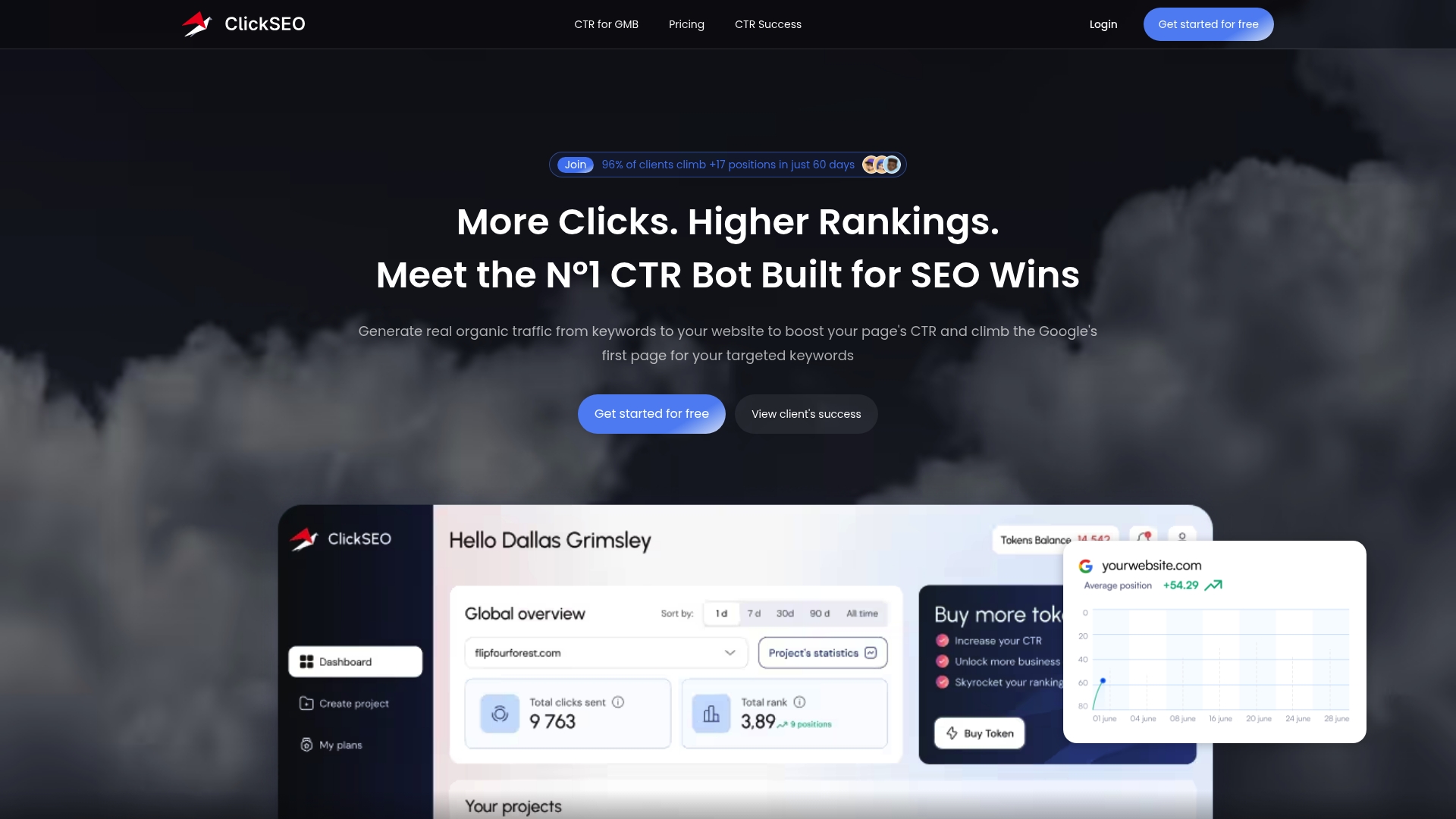
Take control of your SEO growth with a tool built for authenticity and effectiveness. Visit ClickSEO.io now and experience a powerful, organic-looking boost that aligns perfectly with Google’s algorithm insights. Don’t risk it with risky shortcuts, choose a proven strategy that delivers real results.
Frequently Asked Questions
What are traffic bots and how do they work?
Traffic bots are automated programs that simulate human internet interactions to generate artificial web traffic. They can mimic behaviors like clicking links and scrolling through pages, aiming to manipulate search engine ranking signals by creating an illusion of genuine user engagement.
What are the risks of using traffic bots for SEO?
Using traffic bots poses significant risks, including potential penalties from search engines for violating policies, loss of credibility with advertisers, and long-term damage to a website's reputation due to deception in engagement metrics.
How can marketers achieve genuine website traffic without using bots?
Marketers can focus on organic traffic generation strategies, such as creating high-quality, valuable content, optimizing SEO, engaging with communities, and utilizing content distribution to attract genuine visitor interest over time.
What are the ethical implications of using traffic bots?
The ethical implications of using traffic bots include undermining the integrity of online engagement metrics, creating a false narrative about a website's popularity, and potentially violating platform policies, which can harm the broader digital advertising ecosystem.
Recommended
- Fake Website Traffic: Where to Buy & Real Alternatives
- ClickSEO | Automated SEO Traffic Bot To Boost Rankings & Engagement
- Meet ClickSEO - The Review : SparkTraffic
- Buy Organic Traffic | Real Human Visitors That Boost SEO